 en
en
 ar
ar de
dePublished at
06/09/2026
Introduction
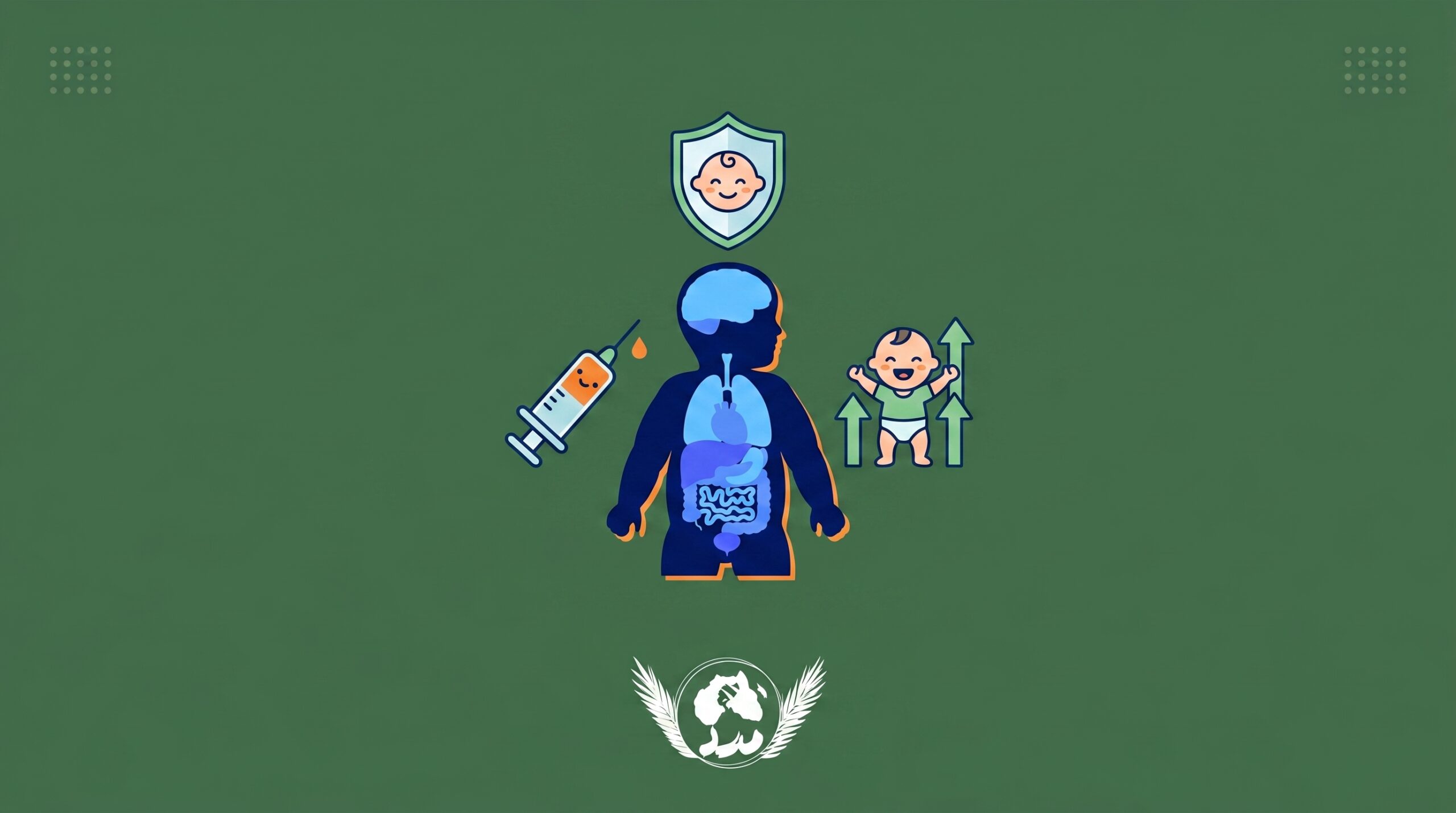
The initial weeks and months of a newborn's life represent the most critical stage in developing their immune system and forming active lines of defense against external environment threats. In this context, routine vaccinations are not viewed as an optional medical supplement; rather, they stand as the most vital early healthcare intervention and the core pillar protecting childhood from fatal epidemics. Because protecting children's lives supersedes any other considerations, medical regulations and frameworks in Egypt strictly separate "the right to health and immunization" from "administrative paperwork and lack of identity documentation."
Medical and Preventative Significance of Early Vaccination
Mandatory vaccinations assigned for newborns contribute to preventing a wide array of severe, fully preventable diseases that could otherwise pose life-threatening complications or cause permanent disabilities, such as: polio, hepatitis B, measles, diphtheria, and pertussis. Parents' adherence to the vaccination schedules at the specified times ensures dual protection; individual safety for the child and collective community immunity that prevents the spread of diseases within shared residential areas.
Legal and Administrative Framework for Vaccinations in Egypt: "Immunization is a Free Right for All"
One of the most profound humanitarian and medical principles applied by the Arab Republic of Egypt, through the Ministry of Health and Population, is the provision of mandatory, free vaccinations to all children residing on its territories without any discrimination. To guarantee that no child falls behind the health protection system, please take note of the following rules:
- No Complex Documentation Required: Local health units and public health offices open their doors to vaccinate newborns upon presenting a simple birth notification or any basic parental identification (such as a UNHCR card or passport) to log the child in the vaccination registry and issue the "Yellow Vaccination Card."
- Separation of Healthcare from Residency Requirements: Medical units do not require a valid residency permit or complex legal document to offer the vaccine; the absolute priority of public health policy is securing the child's immunity first.
- Acquiring Official Records: Following vaccine adherence, parents receive official medical documents verifying the child’s immunization status, which are essential records later requested during school enrollment or when updating family files with the UNHCR.
Practical Guidance for Parents
Delaying a vaccine under the pretext of waiting for official identity documentation, finalizing UNHCR registration procedures, or fear of administrative scrutiny is a severe oversight that puts a child’s life in immediate medical jeopardy. Moving immediately toward the nearest public health unit adjacent to your residence as soon as the child is born is the primary humane and parental duty.
Conclusion
Children's health is the ultimate wealth upon which stability and safety are established. Always remember: "Do not let procedures or lack of papers be a reason to delay this protection." At the "Madad" initiative, we emphasize our full legal and informational backing to your families, urging strict compliance with accredited medical schedules. If you experience any administrative difficulty registering your child for vaccines at any public health office, do not hesitate to contact us immediately for necessary guidance and legal support.