
 en
en
 ar
ar de
dePublished at
07/07/2026
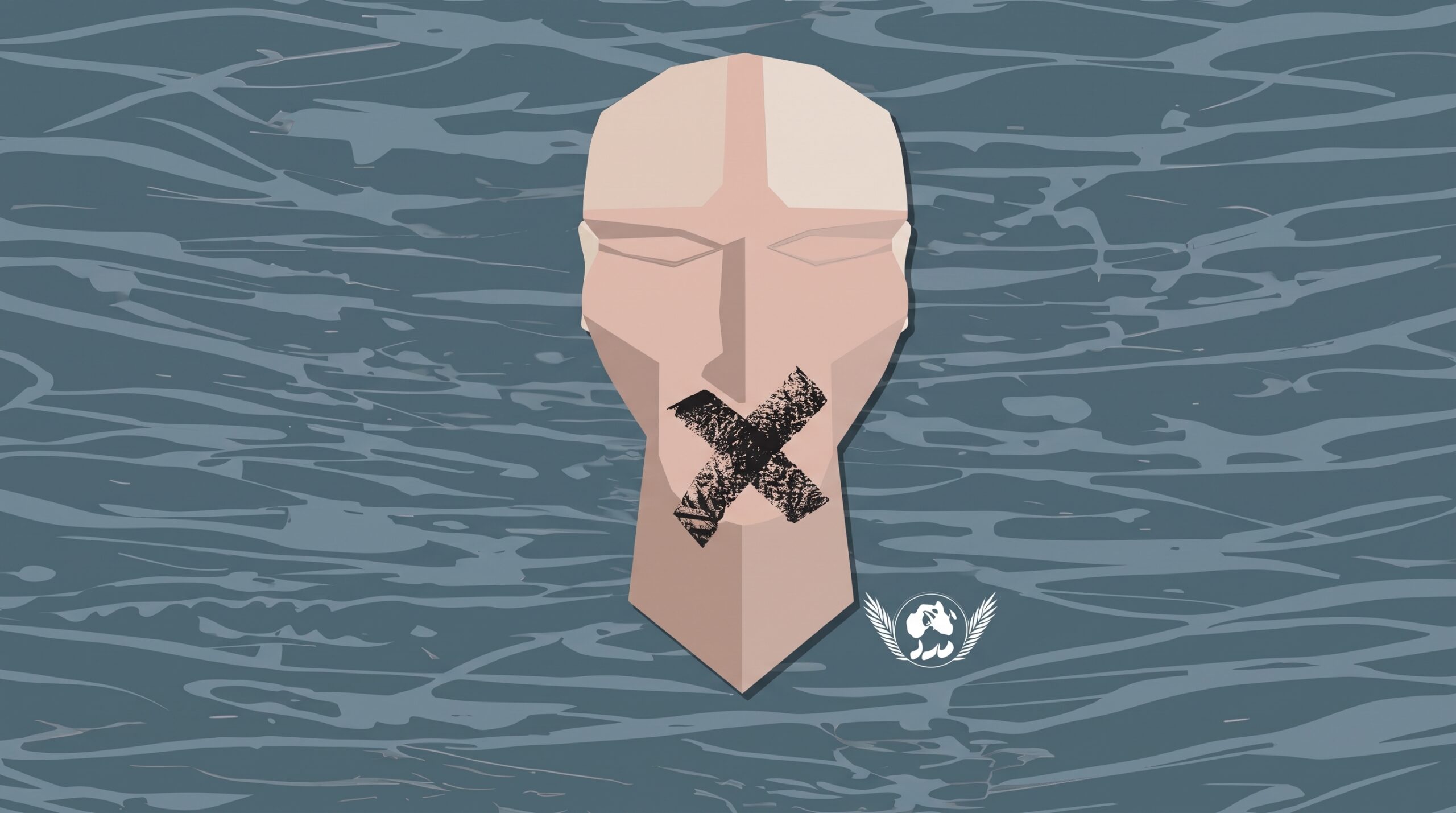
"Many women and dark-skinned individuals are subjected to repeated instances of bias, exclusion, or prejudice in the details of daily life. With the repetition of these experiences, the feeling of non-acceptance can turn into psychological stress that affects self-confidence, the sense of safety, and belonging to society." This reality confronts us with one of the most severe forms of intersectional discrimination, where gender stereotypes converge with racial or color-based bias, creating an environment that is both exclusionary and humanly draining.
The Cumulative Psychological Toll of Daily Bias Discriminatory practices, whether overt or subtle in the form of passing comments and prejudices, do not end with the momentary incident; rather, they cause deep fractures in an individual's psychological well-being:
- Draining Confidence and Safety: Living under the constant anticipation of prejudice strips individuals of their natural sense of moral safety, turning daily routines into a heavy psychological burden.
- Eroding the Sense of Belonging: When individuals feel that their features or gender are the criteria by which they are judged, a sense of alienation and non-acceptance arises, weakening their bonds with the wider community.
- Chronic Psychological Stress: Repeated discrimination elevates levels of stress and anxiety, which negatively impacts physical health, productivity, and the capacity for innovation.
The Human Rights and Societal Responsibility From a human rights perspective, combating discrimination in all its forms is an inherent obligation enshrined in international conventions and the Egyptian Constitution, which mandates full equality and criminalizes hatred and intolerance. Confronting discrimination is not merely a social responsibility for institutions; it is an essential and decisive step to protect mental health and safeguard human dignity for all. This begins with changing individual behaviors and fostering a culture of acceptance that values diversity.
Conclusion Human dignity is indivisible and is never defined by color or gender. At the "Madad" initiative and the Egyptian Commission for Rights and Freedoms (ECRF), we believe that building a just society starts with providing safe environments that respect human beings for who they are. We continue our efforts to provide legal and human rights support and to monitor violations resulting from discourses of bias and exclusion. If you face any form of discrimination based on race or gender, we are here to listen and support you; do not hesitate to contact us immediately.