 en
en
 ar
ar de
dePublished at
06/09/2026
Introduction
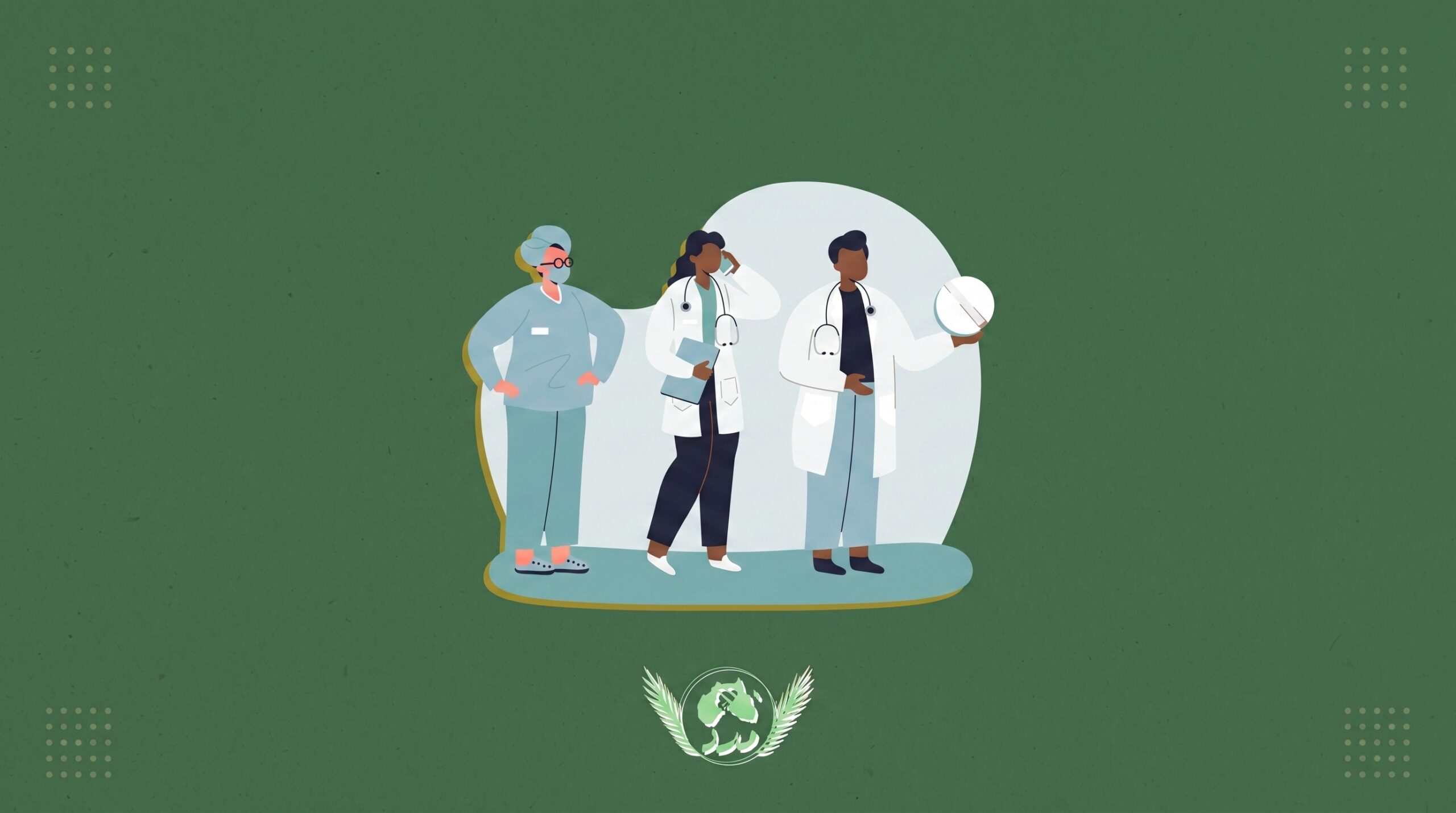
The right to health is a fundamental pillar that guarantees human dignity and ensures mental and physical stability for any community. In Egypt, the healthcare system accessible to refugees and asylum seekers is structured across multiple levels designed to accommodate diverse medical needs. With ongoing legislative updates, the "Asylum Law" and corresponding ministerial decrees have become the primary legal reference governing how individuals navigate this system to obtain medical care safely and legally.
Levels of the Healthcare System in Egypt
Accessing medical services in Egypt does not occur through a single entity; rather, it is distributed across an integrated network that includes:
- Primary Care (Health Units): Represented by local health offices and community clinics, offering vaccinations, maternal and child healthcare, and essential preventative services.
- Secondary Care (General and University Hospitals): Comprising Ministry of Health hospitals and educational university hospitals that provide specialized check-ups, surgical procedures, and emergency care.
- Specialized and Community Care: Delivered through clinics and medical centers partnered with the UNHCR and international non-governmental organizations (NGOs) providing complementary medical aid.
The Role of Asylum Law in Regulating Healthcare
The legal framework and Asylum Law do not merely grant legal status to residents; they directly intervene to regulate three essential pillars in the health sector:
- The Type of Available Service: The law dictates the package of medical services refugees are entitled to utilize, distinguishing between critical emergency interventions and routine therapeutic treatments.
- The Providing Entity: Legislative regulations organize the integration of refugees into public and university hospital networks, determining the medical referral pathways between different bodies.
- Conditions for Access: The law clarifies the exact identity documentation required (such as the yellow or blue UNHCR card, passport, or residency card) to secure patient registration and treatment without administrative barriers.
The Importance of Legal Literacy in Healthcare
A precise understanding of the legal environment and regulatory decrees governing healthcare in Egypt is not a luxury; it is your ultimate compass. It allows you to navigate the system with clarity and confidence, saving valuable time and effort during medical emergencies. Legal literacy ensures that you and your community avoid incorrect administrative pathways and securely receive the medical rights guaranteed under international conventions and domestic laws.
Conclusion
Navigating with awareness and knowledge is the first step toward protecting your health and that of your family. Always remember that "understanding the legal framework helps you move forward with clarity." At the "Madad" initiative, we remain dedicated to simplifying these complex regulations and providing the necessary informational guidance to ensure your safe access to vital services. If you encounter any administrative obstacles while seeking medical care, do not hesitate to consult us and share your inquiries.