
 en
en
 ar
ar de
dePublished at
05/20/2026
Introduction
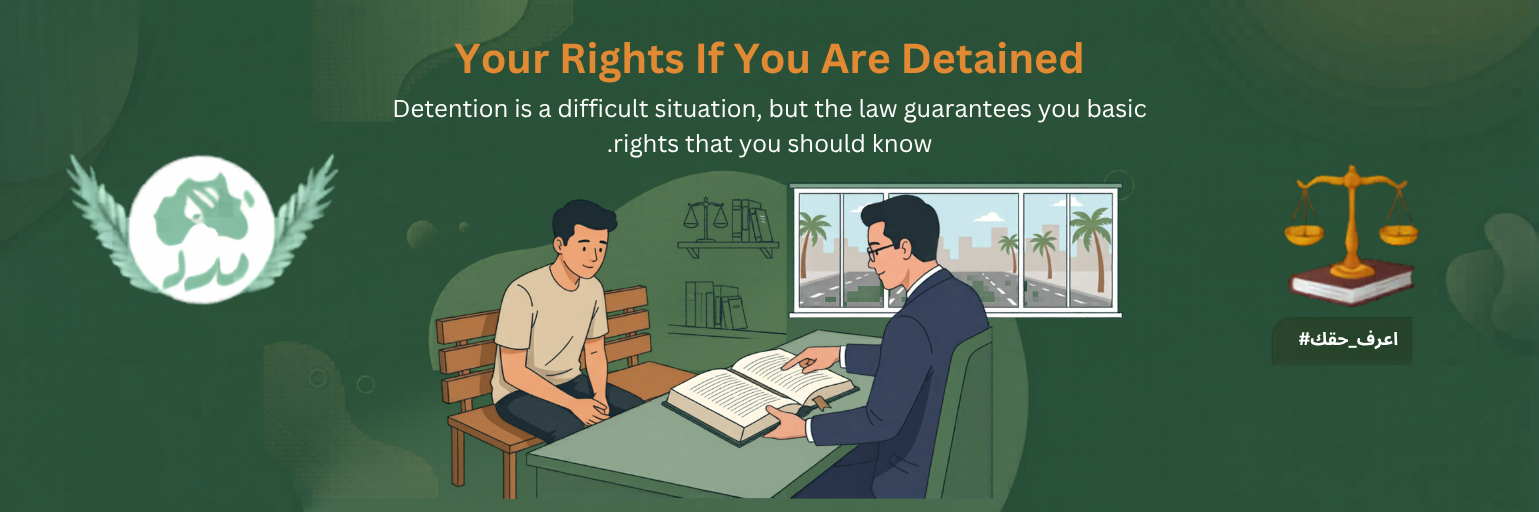
Facing arrest or detention is undoubtedly one of the most difficult and stressful situations an individual can experience. However, being fully aware of your legal rights acts as the first line of defense against potential violations or arbitrary actions. The law, the constitution, and international conventions guarantee a set of fundamental, inalienable rights to any detained person, ensuring the preservation of their dignity, as well as their legal and physical safety from the very first moment of detention.
The Human Rights Context of Detention Guarantees
Detention does not mean stripping an individual of their civil and legal rights. On the contrary, domestic and international laws compel law enforcement agencies to implement strict procedures that ensure the transparency and fairness of the arrest process. These guarantees aim to prevent arbitrary detention, uphold the right to defense, and provide a legal environment that allows detainees to state their case without coercion. Ignorance of these rights can complicate an individual's legal standing; therefore, awareness is an absolute necessity.
Fundamental Rights of the Detainee
The law guarantees a core set of rights for anyone subjected to detention, which must be firmly upheld. The most important of these are:
- Knowing the Reason for Detention: The detainee has the right to be immediately and clearly informed of the reasons for their arrest and any charges against them. Freedom cannot be restricted without clear legal justification.
- The Right to Legal Counsel: Immediate communication with a defense lawyer or a legal support entity (such as the "Madad" initiative) is an inherent right to ensure procedural integrity.
- Informing Family or Relatives: The detainee has the absolute right to make a phone call to inform their family or designated contacts of their whereabouts and condition.
- Protection from Coerced or Uninformed Signatures: The law prohibits forcing a detainee to make confessions. They have the absolute right to refuse to sign any papers or documents written in a language they do not understand, or in the absence of their legal counsel.
Conclusion
Knowing your rights is your strongest shield against any exceptional measures. Detention does not strip you of your right to defend yourself or your connection to the outside world. Always remember that your voice is heard, your rights are protected by the rule of law, and seeking specialized legal support from the very first moment is the best way to ensure fair treatment and transparent procedures.